Navigating the world of cryptocurrency can feel like exploring an uncharted universe—exciting, but sometimes overwhelming. For anyone looking to trade crypto effectively, understanding technical analysis is like having a compass. It’s not about predicting the future; it’s about equipping yourself with the tools to make informed decisions based on market behavior.
In this guide, we’ll break down the essentials of technical analysis, from the tools and indicators that reveal market trends to the patterns that help traders spot opportunities. You’ll learn how to read crypto charts like a pro, avoid common beginner mistakes, and even combine technical and fundamental analysis for a holistic approach. Whether you’re new to trading or looking to refine your skills, this guide will inspire you to dive deeper into the fascinating world of crypto markets with confidence. Ready to master the charts?

Let’s get started and guide you under these 8 steps;
- What Is Technical Analysis in Crypto Trading
- Key Tools and Indicators for Technical Analysis
- Understanding Crypto Market Trends and Patterns
- How to Read Crypto Charts
- Common Mistakes Beginners Make in Technical Analysis
- Combining Technical and Fundamental Analysis for Better Decisions
- Tips for Practicing and Improving Your Technical Analysis Skills
- Resources and Tools for Learning Technical Analysis
1.What Is Technical Analysis in Crypto Trading?
When you first step into the world of crypto trading, the market might seem like an unpredictable whirlwind. But here’s the secret: there’s a method to the madness. Technical analysis is the art of interpreting market data—mainly price and volume—to identify patterns and trends that help traders make smarter decisions. Think of it as studying the rhythm of the market to predict its next moves.
At its core, technical analysis isn’t about knowing where Bitcoin or Ethereum will land in five years it’s about identifying short-term opportunities. By analyzing charts, spotting trends, and understanding key price levels, you can position yourself strategically, whether you’re planning to hold or trade.
The beauty of technical analysis lies in its versatility. It works across all markets, from stocks to crypto, because human behavior drives patterns, and humans are predictably unpredictable!
If you’ve ever felt overwhelmed by the idea of learning how to trade, you’re not alone. But remember, every expert was once a beginner. Technical analysis isn’t rocket science; it’s a skill anyone can master with practice, patience, and the right guidance. Ready to decode the market’s rhythm and make sense of the charts? Let’s explore the tools and techniques that make it possible.
2.Key Tools and Indicators for Technical Analysis
To become a technical analysis wizard, you need the right tools in your arsenal. Think of them as your chart-reading glasses, revealing hidden insights in the crypto market. Here are some of the essentials to get you started:
- Moving Averages (MA): These smooth out price data over a period, making trends easier to spot. Simple Moving Averages (SMA) and Exponential Moving Averages (EMA) are your go-to tools.
- Relative Strength Index (RSI): This handy oscillator measures momentum, showing whether an asset is overbought or oversold a great signal for potential reversals.
- MACD (Moving Average Convergence Divergence): This dynamic tool helps traders spot changes in momentum and potential trend reversals.
- Candlestick Patterns: From doji to hammer patterns, candlesticks are the language of charts, telling stories about buyer-seller dynamics.
- Support and Resistance Levels: These indicate key price points where assets tend to reverse or break through, guiding your entry and exit strategies.
These tools aren’t magical; they’re mathematical. They rely on historical data to provide insights into what might come next. Start small focus on one or two indicators, master their application, and then expand. Combining these tools strategically can help you build confidence and craft your unique trading style. Remember, the best traders never stop learning!
3.Understanding Crypto Market Trends and Patterns
If the crypto market is a puzzle, trends and patterns are the pieces that bring it all together. Understanding these can turn chaos into clarity, helping you anticipate price movements and position yourself wisely.
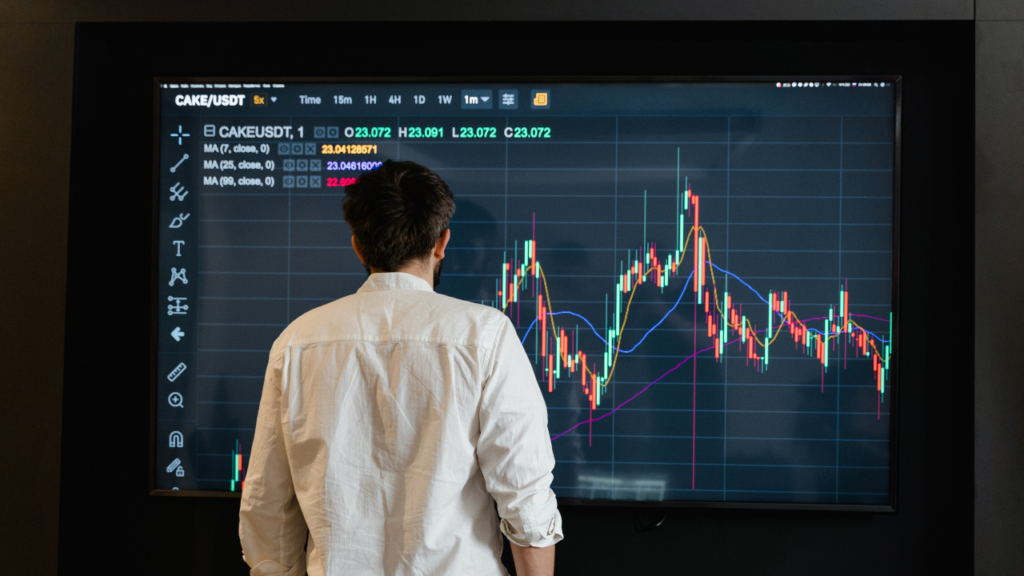
A trend is the general direction of the market: up, down, or sideways. An uptrend indicates rising prices with higher highs and higher lows a bull’s playground. A downtrend, marked by lower highs and lower lows, signals a bear’s domain. Sideways movements, or consolidations, are neutral zones where prices bounce between support and resistance.
Patterns, on the other hand, are the footprints of market psychology. Continuation patterns like triangles or flags suggest the trend will persist, while reversal patterns like double tops or head-and-shoulders hint at a potential change.
To spot these, start by observing price charts over different timeframes. Patterns may not always be textbook-perfect, but with practice, you’ll develop an intuitive sense for them. Combine trend analysis with tools like RSI or MACD for even deeper insights.
The more you study, the more the market’s story unfolds. Trends and patterns are your guideposts in this dynamic landscape use them to navigate with confidence and precision.
4.How to Read Crypto Charts
Crypto charts can feel intimidating at first glance all those lines, candlesticks, and numbers! But once you crack the code, they become your greatest ally in trading. Let’s demystify the process.
Start with candlestick charts—the most popular type for crypto traders. Each candlestick represents price movement over a specific period, showing four key points: open, high, low, and close. Green (or white) candles indicate price increases, while red (or black) candles signify drops.
Next, learn to identify support and resistance levels. Support is where prices tend to stop falling and bounce back up, while resistance is where prices often stop rising and pull back. Think of them as the floor and ceiling of the market.
Volume is another critical factor. High trading volume often confirms the strength of a trend, while low volume might signal uncertainty.
Finally, experiment with overlays like moving averages and Bollinger Bands to add context to your analysis. These tools can help you spot trends, identify breakouts, and manage risks.
Remember, practice makes perfect. Spend time analyzing historical data and back testing your strategies. Over time, you’ll move from deciphering charts to reading them with confidence and clarity.
5.Common Mistakes Beginners Make in Technical Analysis
Starting your journey in technical analysis is exciting, but it’s easy to stumble into common pitfalls that many beginners face. Being aware of these mistakes can help you trade smarter and more confidently.
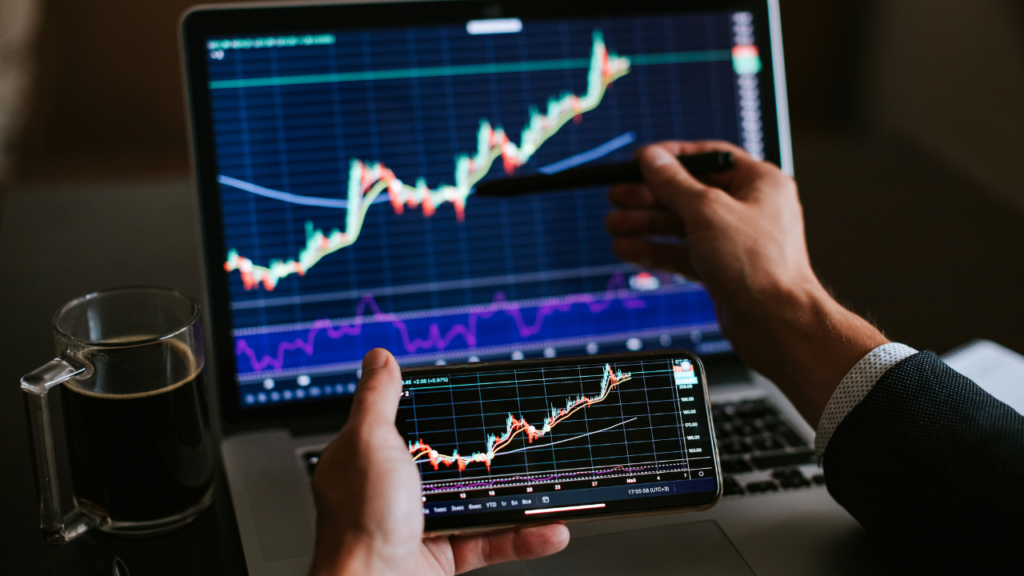
One of the most frequent errors is relying too heavily on one indicator. While tools like RSI or MACD are helpful, they’re not crystal balls. A successful strategy involves combining multiple indicators and confirming signals across them.
Another trap is failing to manage emotions. Fear and greed can lead to impulsive decisions, like entering trades too early or holding onto losing positions. Remember, trading is a game of probabilities, not certainties. Stay disciplined, stick to your plan, and don’t let emotions dictate your actions.
Beginners also tend to ignore risk management. Not setting stop-loss orders or risking too much capital in one trade can quickly drain your portfolio. It’s crucial to protect your downside live to trade another day!
Lastly, trading without a clear strategy is a recipe for disaster. Jumping into trades based on gut feelings or social media hype often leads to unnecessary losses. Take the time to develop, test, and refine a plan before diving in.
Mistakes are part of learning, but understanding these common errors can help you navigate the learning curve faster and more effectively.
6.Combining Technical and Fundamental Analysis for Better Decisions
When it comes to crypto trading, why choose between technical and fundamental analysis when you can use both? Combining these approaches provides a more comprehensive view of the market, enhancing your decision-making and reducing risk.
Technical analysis focuses on charts, patterns, and price movements, helping you identify trends and optimal entry or exit points. Fundamental analysis, on the other hand, dives into the core of a project—its team, technology, use case, and market potential. Together, they form a powerful duo.
For instance, imagine you’re analyzing a new altcoin. The technical analysis shows a bullish breakout pattern, while the fundamental analysis reveals strong partnerships and a growing user base. This combination increases your confidence in the trade. Conversely, if the fundamentals indicate potential issues, you might reconsider or adjust your strategy.
Another advantage of combining these methods is adaptability. Fundamental insights can guide long-term investments, while technical tools help you navigate short-term market fluctuations. This dual approach keeps you grounded, avoiding hype-driven decisions and ensuring you act based on data and strategy.
Mastering the synergy between technical and fundamental analysis requires practice, but it’s a skill worth developing. It’s not about being perfect; it’s about making better-informed choices and staying ahead in the ever-evolving crypto market.

7.Tips for Practicing and Improving Your Technical Analysis Skills
Becoming proficient in technical analysis takes time, dedication, and consistent practice. But the good news is that every effort you put in gets you closer to trading mastery. Here are some actionable tips to help you improve:
- Start with Demo Trading: Before risking real money, practice on demo accounts to test your strategies. Platforms like TradingView offer virtual trading features where you can experiment without fear of loss.
- Study Historical Data: The past holds valuable lessons. Analyze historical price charts to spot patterns and trends, and learn how they played out over time. This builds your intuition for live trading.
- Maintain a Trading Journal: Document every trade—why you entered, what tools you used, and how it turned out. Reviewing your journal helps identify what works and what doesn’t, allowing you to refine your approach.
- Seek Feedback: Join trading communities or forums where you can share your charts and strategies. Constructive feedback from experienced traders can accelerate your learning curve.
- Stay Updated: Markets evolve, and so do trading techniques. Continuously learn by following blogs, taking online courses, and staying active in the crypto community.
Above all, be patient. Mastery doesn’t happen overnight, but with persistence and curiosity, you’ll develop the skills to navigate the crypto market confidently.
8.Resources and Tools for Learning Technical Analysis
Learning technical analysis is a journey, and having the right resources can make all the difference. Thankfully, the internet is brimming with tools, courses, and communities designed to help you level up your skills.
Start with charting platforms like TradingView or CryptoCompare, which provide access to detailed charts and a wide range of indicators. These tools allow you to practice your analysis and test strategies in real time.
Books are another fantastic resource. Titles like Technical Analysis of the Financial Markets by John Murphy or Japanese Candlestick Charting Techniques by Steve Nison are classics that offer deep insights into chart patterns and trading strategies.
Online courses and tutorials are perfect for hands-on learners. Platforms like Udemy, Coursera, and YouTube have comprehensive guides for traders at every level. Look for instructors with a strong track record in crypto trading specifically.
Don’t underestimate the power of trading communities. Joining forums like Reddit’s r/cryptocurrency, Discord groups, or Telegram channels can connect you with like-minded learners and experienced traders who share insights and advice.
With these resources at your fingertips, the road to mastering technical analysis becomes less daunting and far more exciting. Equip yourself, and the charts will soon become your playground!
Conclusion
Mastering the art of crypto technical analysis might seem challenging at first, but as you’ve discovered, it’s a skill anyone can learn with patience, practice, and the right mindset. From understanding market trends and patterns to using key tools like RSI, MACD, and candlestick charts, each step brings you closer to confidently navigating the crypto markets. Avoid common mistakes, combine technical insights with fundamental knowledge, and always prioritize risk management to make smarter trading decisions.
Remember, technical analysis isn’t about perfection it’s about gaining an edge. With every chart you study and every trade you make, you’re building a foundation for long-term success. The crypto market is dynamic and ever-changing, offering endless opportunities to grow and improve.
So, are you ready to take what you’ve learned and turn your trading dreams into a reality? The charts are waiting let’s make them your canvas!