Imagine riding the thrilling waves of the cryptocurrency market, timing your moves perfectly to maximize your profits. That’s the essence of swing trading a strategy that blends patience with precision, offering traders a chance to capitalize on market fluctuations. Whether you’re a crypto newbie or a seasoned investor looking to diversify your trading toolkit, swing trading could be the perfect way to grow your portfolio.
In this guide, we’ll dive into the fundamentals of swing trading in cryptocurrency, exploring how it works, why it’s effective, and the tools you’ll need to succeed. From analyzing market trends and identifying key entry and exit points to managing risks and emotions, we’ll cover all the essentials. By the end, you’ll have a solid grasp of swing trading strategies and the confidence to catch those market waves.

Ready to master the art of swing trading? Let’s explain it deeply with these 8 steps guide;
- What is Swing Trading in Cryptocurrency
- Why Swing Trading Works in Volatile
- MarketsEssential Tools and Indicators for Swing Traders
- Mastering Market Trends and Patterns
- Crafting Effective Entry and Exit Strategies
- Risk Management for Swing Trading Success
- Avoiding Common Mistakes in Swing Trading
- Getting Started with Your First Swing Trade
- 1. What is Swing Trading in Cryptocurrency?
Swing trading is like surfing the waves of the cryptocurrency market, aiming to catch the ups and downs to maximize gains. Unlike day trading, which requires constant monitoring, or long-term investing, which demands patience through market storms, swing trading strikes a balance. It involves holding positions for a few days or weeks, targeting medium-term price movements.
In cryptocurrency, this strategy is particularly exciting because of the market’s inherent volatility. Prices can swing dramatically in a matter of hours, presenting opportunities for traders who know how to read the market. The goal is simple: identify trends, enter at the right moment, and ride the wave until it’s time to exit.
What makes swing trading so appealing is its flexibility. You don’t need to spend every waking moment glued to your screen, but you do need a keen sense of timing and a solid understanding of market dynamics. Whether Bitcoin, Ethereum, or altcoins, each cryptocurrency offers unique opportunities for swing traders willing to put in the effort to learn.
By mastering swing trading, you’re not just chasing profits you’re building a skill set that allows you to make informed decisions in a rapidly evolving market
2. Why Swing Trading Works in Volatile Markets
Cryptocurrency markets are infamous for their volatility, and for swing traders, that’s not a problem it’s an opportunity. When prices can rise and fall significantly within short timeframes, swing trading becomes a strategic way to capitalize on these fluctuations.
Volatility fuels opportunities for swing traders to profit from both upward and downward price movements. Unlike long-term investors who rely on extended trends, swing traders thrive on smaller, more frequent waves. It’s about timing the market, not just sitting and waiting for the next big rally.
Why does this work? Because cryptocurrencies are driven by a mix of factors news, technological updates, regulations, and market sentiment. These catalysts create short-term trends that are ripe for swing traders to exploit. With the right tools and strategies, you can identify patterns and position yourself to ride these waves effectively.
What makes this approach especially powerful is its adaptability. Swing trading allows you to respond to market conditions in real time, making it a dynamic strategy suited to crypto’s unpredictable nature. It doesn’t matter if you’re a beginner or a seasoned trader volatility can be your ally if you know how to harness it.
By embracing swing trading in volatile markets, you’re not just surviving the chaos you’re thriving in it, turning uncertainty into potential profits.

3. Essential Tools and Indicators for Swing Traders
To succeed in swing trading cryptocurrency, you need more than intuition you need the right tools and indicators. These are your compass, helping you navigate the often-turbulent waters of the crypto market.
First up, charting tools are a must. Platforms like TradingView or Binance provide detailed charts that let you track price movements, identify trends, and spot potential reversals. Candlestick patterns, support and resistance levels, and moving averages become your best friends as you analyze the market.
Technical indicators are equally important. Tools like the Relative Strength Index (RSI) help you gauge whether a cryptocurrency is overbought or oversold, while the Moving Average Convergence Divergence (MACD) reveals potential trend reversals. Combine these with Bollinger Bands to understand price volatility, and you’re equipped to make informed decisions.
Don’t overlook sentiment analysis tools. Platforms like Glassnode or Santiment offer insights into market sentiment, helping you understand the psychological forces driving price action.
Finally, risk management tools like stop-loss orders and portfolio trackers ensure you stay disciplined and in control. These tools aren’t just add-ons they’re essential for minimizing losses and protecting your capital.
By mastering these tools and indicators, you’re setting yourself up for swing trading success. Remember, preparation is half the battle, and with the right arsenal, you’re ready to conquer the market.
4. Mastering Market Trends and Patterns
Swing trading is all about mastering the art of market trends and patterns. Think of trends as the market’s heartbeat and patterns as its language understanding both is key to making profitable trades.
Trends can be bullish (upward), bearish (downward), or sideways (range-bound). Your first task as a swing trader is to identify which direction the market is moving. Tools like trendlines and moving averages can help you visualize these movements. Once you know the trend, you can position yourself to ride it effectively.
Patterns, on the other hand, are the clues the market leaves behind. Recognizing formations like head-and-shoulders, double tops, or ascending triangles can signal where prices might head next. These patterns are not guarantees but probabilities, giving you an edge when combined with other analyses.
Don’t forget to consider volume an often-overlooked aspect of trading. Volume can confirm trends and patterns, showing whether there’s strong market participation or just a fleeting movement.
Mastering trends and patterns aren’t about perfection; it’s about stacking the odds in your favor. By honing your ability to read these signals, you’ll be better equipped to make smart, confident trading decisions. And remember, every successful trader was once a beginner who decided to learn the language of the market.
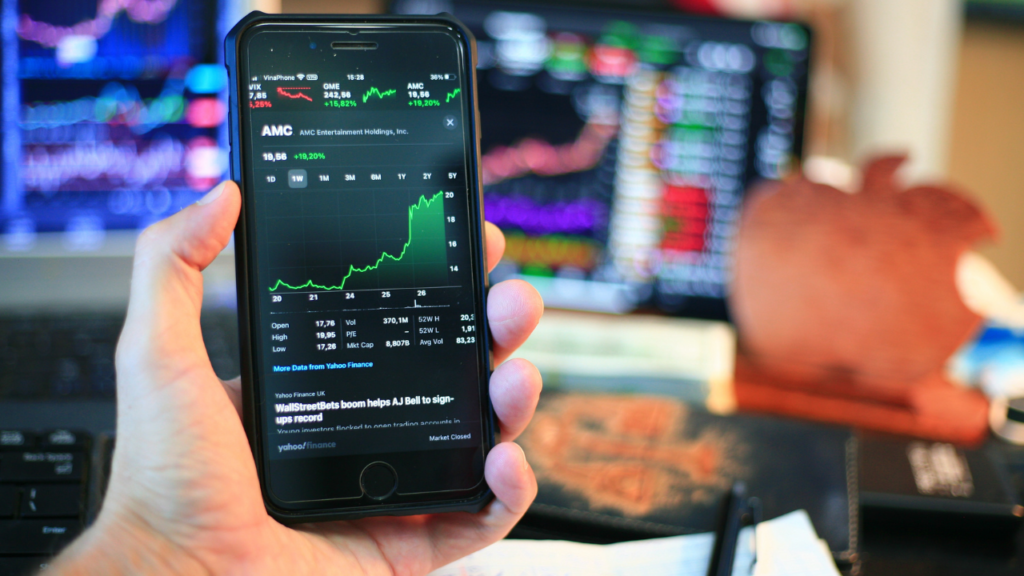
5. Crafting Effective Entry and Exit Strategies
In swing trading, your success hinges on one key skill: knowing when to enter and exit a trade. These decisions are the backbone of your strategy, and mastering them can make all the difference.
An effective entry strategy starts with identifying the right moment. Look for signals like price breakouts, trend reversals, or oversold conditions on indicators like RSI. Timing is everything jumping in too early or too late can reduce your profit potential. Be patient and let the setup come to you.
Exiting a trade is just as critical. Greed and fear often cloud judgment, leading traders to hold on too long or exit prematurely. Setting clear profit targets and stop-loss levels before entering a trade helps eliminate emotional decision-making. For example, if you’re aiming for a 10% profit, stick to that plan and avoid chasing unrealistic gains.
Remember, every trade won’t be a winner, and that’s okay. Swing trading is about consistently making good decisions, not about perfection. By refining your entry and exit strategies with practice and analysis, you’ll develop the confidence to execute trades with precision. It’s this discipline that separates successful swing traders from the rest.
6. Risk Management for Swing Trading Success
In the world of swing trading, managing risk is your lifeline. It’s not just about making profits it’s about protecting what you’ve already earned. Without proper risk management, even the most promising trades can lead to significant losses.
Start by determining how much of your portfolio you’re willing to risk on a single trade. A common rule of thumb is to limit this to 1–2% of your total capital. This way, a few bad trades won’t wipe you out.
Stop-loss orders are your safety net. These predefined exit points automatically close your trade if the market moves against you. They remove the guesswork and protect you from emotional decisions. Similarly, take-profit orders ensure you lock in gains when your target is reached.
Diversification is another critical aspect. Don’t put all your funds into a single cryptocurrency. Spreading your investments across different assets reduces the impact of any one coin’s volatility.
Finally, always prepare for the unexpected. Cryptocurrency markets can be unpredictable, so having a well-thought-out risk management strategy keeps you grounded. Swing trading isn’t about avoiding risk entirely; it’s about managing it wisely. Stay disciplined, and you’ll weather market fluctuations with confidence.

7. Avoiding Common Mistakes in Swing Trading
Every swing trader makes mistakes it’s part of the learning curve. However, recognizing and avoiding common pitfalls can save you time, money, and frustration on your trading journey.
One major mistake is overtrading. It’s tempting to jump into every market movement, but trading too frequently can lead to unnecessary losses. Focus on quality setups rather than chasing quantity. Patience pays off.
Emotional trading is another trap. Greed, fear, and impatience can cloud your judgment and lead to impulsive decisions. Always stick to your strategy, even when the market tests your resolve. Consistency is key.
Failing to set stop-loss and take-profit levels is a recipe for disaster. Without clear exit points, you risk holding onto losing trades for too long or exiting winning trades too soon. Protecting your capital should always be a priority.
Finally, neglecting proper research and analysis can lead to poor decision-making. Take the time to understand the market, study charts, and refine your strategies. Swing trading isn’t about luck it’s about preparation and skill.
Avoiding these common mistakes won’t guarantee success, but it will put you on a much stronger footing as you navigate the ups and downs of the crypto market.
8. Getting Started with Your First Swing Trade
Embarking on your first swing trade is both exciting and nerve-wracking. The key is to start small, stay focused, and treat it as a learning experience.
First, choose a cryptocurrency with high liquidity and significant market activity Bitcoin, Ethereum, or popular altcoins are good options. Avoid overly volatile or obscure coins until you’ve gained more experience.
Next, analyze the market. Look for clear trends and use technical indicators like RSI, MACD, or Bollinger Bands to identify potential entry points. Make sure you have a solid reason for entering the trade it’s not about guessing, it’s about strategy.
Set your stop-loss and take-profit levels before you place the trade. This step is crucial for managing risk and keeping your emotions in check. Decide in advance how much you’re willing to lose and what profit target you’re aiming for.
Once your trade is live, resist the urge to micromanage. Trust your analysis and let the market do its thing. Monitor the trade periodically but avoid overreacting to minor price fluctuations.
Finally, review the outcome of your trade. Whether it’s a win or a loss, analyze what worked and what didn’t. Each trade is a stepping stone on your path to becoming a confident and skilled swing trader.
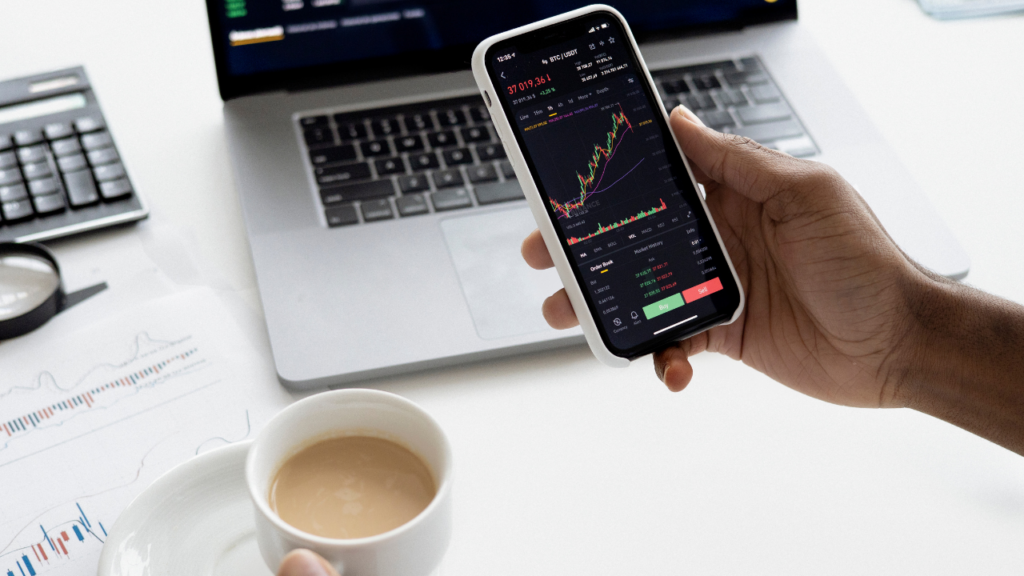
Ready to take your crypto trading to the next level? Join Binance, start trading, and unlock a world of opportunities. It’s your time to thrive let’s trade smarter, not harder!
Conclusion
Swing trading cryptocurrency is an art and a science a journey of learning, discipline, and seizing opportunities. From understanding what swing trading is to leveraging the power of market trends and patterns, you now have the foundation to navigate the exciting waves of the crypto market.
We explored why swing trading thrives in volatile markets and the essential tools and indicators that help traders make informed decisions. You’ve learned the importance of crafting effective entry and exit strategies, managing risks wisely, and avoiding common pitfalls that trip up even experienced traders. Most importantly, you’re equipped to start small, stay consistent, and grow your skills over time.
Success in swing trading isn’t just about profits; it’s about persistence, patience, and a willingness to learn. Are you ready to take the leap and ride the cryptocurrency waves to your advantage? The market is waiting what’s your first move?