Imagine a world where transactions are secure, transparent, and free from middlemen. That’s the power of blockchain! Whether you’re curious about Bitcoin, NFTs, or how businesses are using this tech, understanding blockchain is your first step into the future of finance and beyond.
In this guide, we’ll break down blockchain in the simplest way possible no confusing jargon, just real talk. You’ll learn what blockchain is, how it works, and why it’s transforming industries like banking, healthcare, and even gaming. We’ll also explore smart contracts, decentralization, and how you can get involved.
By the end, you’ll have a solid grasp of blockchain fundamentals and why it’s more than a revolution. Ready to unlock the future?
Let’s dive in and explain blockchain using these 10 steps guide
- Understanding Blockchain: The Basics
- How Blockchain Works: A Step-by-Step Breakdown
- Decentralization: The Power of a Trustless System
- Public vs. Private Blockchains: What’s the Difference?
- Key Features of Blockchain Technology
- Smart Contracts: Automating Transactions on Blockchain
- Real-World Applications of Blockchain
- Challenges and Limitations of Blockchain
- How to Get Started with Blockchain
- The Future of Blockchain Technology
1. Understanding Blockchain: The Basics
Imagine sending money to a friend across the world without a bank, no delays, no extra fees just a seamless, direct transfer. That’s the magic of blockchain. But what exactly is it?
At its core, blockchain is a digital ledger, a system that records transactions in a way that’s secure, transparent, and unchangeable. Unlike traditional databases controlled by a single authority, blockchain operates on a decentralized network. This means no central bank, no company, no government just a network of computers (called nodes) verifying and securing transactions.
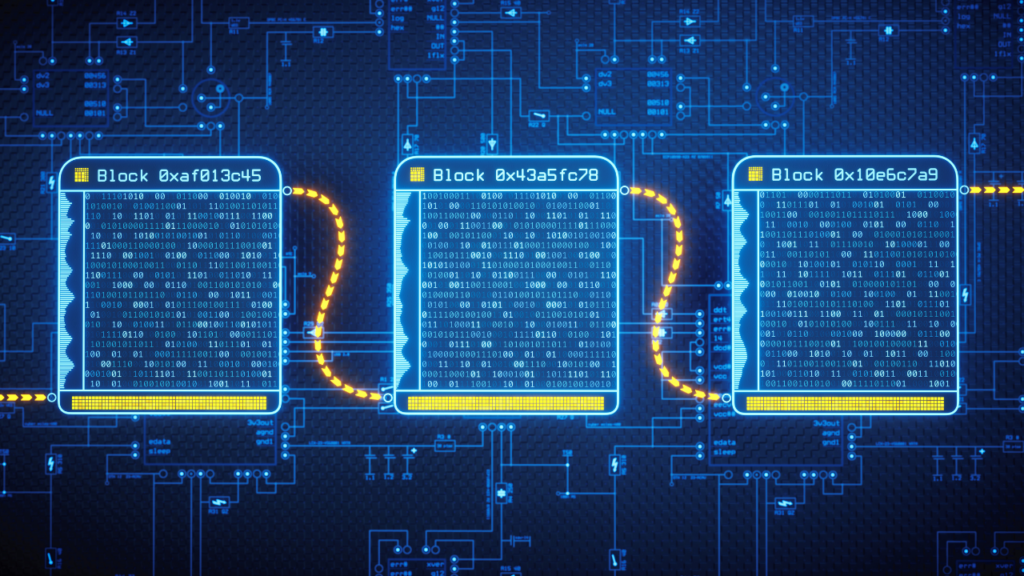
Think of it as a chain of digital “blocks,” each containing data. Once a block is full, it’s added to the chain in a way that can’t be altered. This makes blockchain tamper-proof, ensuring trust in a world full of digital fraud.
So why does this matter? Because blockchain is redefining trust in the digital age. From finance to voting systems, it’s creating a world where transparency and security aren’t optional, they’re the standard. And the best part? This technology is just getting started.
2. How Blockchain Works: A Step-by-Step Breakdown
Let’s break it down in the simplest way possible. Imagine you’re sending money to a friend using blockchain. Here’s what happens behind the scenes:
- Transaction Initiation – You decide to send 1 Bitcoin to your friend. This transaction request is broadcasted to the blockchain network.
- Verification Process – A network of computers (nodes) validates the transaction using a consensus mechanism like Proof of Work (PoW) or Proof of Stake (PoS).
- Block Creation – Once verified, the transaction is grouped with others into a new “block.”
- Block Linking – The block is given a unique code (hash) and connected to the previous block, forming a secure, unchangeable chain.
- Transaction Completion – Your friend receives the Bitcoin, and the transaction is permanently recorded on the blockchain.
No banks, no middlemen just a secure, decentralized process that ensures trust. Each transaction is encrypted, making fraud nearly impossible.
This step-by-step approach makes blockchain one of the most reliable digital record-keeping systems ever created. It’s not just about money it can be used for contracts, identity verification, and even tracking food supply chains. The possibilities are endless!

3. Decentralization: The Power of a Trustless System
In today’s world, we rely on middlemen banks process our payments, social media platforms control our data, and governments oversee transactions. But what if we could remove these intermediaries and still maintain trust? That’s where decentralization comes in.
Blockchain operates on a decentralized network, meaning no single entity has control. Instead, thousands of computers worldwide verify transactions. This eliminates the risk of fraud, censorship, or a single point of failure.
Take Bitcoin as an example. Unlike banks, where a central authority approves or declines your transactions, Bitcoin’s network is peer-to-peer. Transactions are verified by the network itself, making it trustless not because you don’t trust anyone, but because you don’t need to! The system ensures security through cryptographic proofs.
Why does this matter? Because decentralization empowers individuals, giving them financial freedom, data ownership, and censorship resistance. No bank can freeze your funds. No government can manipulate your transactions. You’re in control.
This shift is revolutionary decentralization is paving the way for a fairer, more transparent digital world.
4. Public vs. Private Blockchains: What’s the Difference?
Not all blockchains are created equal. Some are open to everyone, while others are restricted. So, which one is right for you? Let’s break it down.
Public Blockchains – These are open to everyone. Bitcoin and Ethereum are perfect examples. Anyone can join, verify transactions, and contribute to the network. Public blockchains are transparent, secure, and censorship-resistant, but they can be slower due to high activity.
Private Blockchains – These are controlled by a specific entity, like a company or government. Only authorized users can participate. Private blockchains are faster and more scalable, but they sacrifice decentralization, making them more prone to control and censorship.
Hybrid Blockchains – A mix of both, allowing public transparency while keeping sensitive data private. These are used in industries like healthcare and finance, where privacy is crucial.
Each type serves a unique purpose. If you believe in open, decentralized finance, public blockchains are the way to go. But if efficiency and privacy are a priority, private or hybrid blockchains might be the better choice. Either way, blockchain is reshaping how we handle digital trust.

5. Key Features of Blockchain Technology
Blockchain isn’t just about Bitcoin it’s a technological breakthrough that introduces game-changing features. Here are the key ones:
Decentralization – No single entity controls the network. This removes the need for middlemen, reducing costs and increasing security.
Transparency – Every transaction is recorded on a public ledger. Anyone can verify transactions, making fraud nearly impossible.
Immutability – Once data is recorded, it cannot be changed or deleted. This ensures trust and prevents tampering.
Security – Transactions are encrypted using advanced cryptography, making blockchain one of the safest digital systems.
Smart Contracts – Self-executing contracts that automatically enforce agreements, eliminating the need for intermediaries.
Efficiency – Traditional banking systems take days to settle transactions. Blockchain does it in minutes.
These features make blockchain more than is a revolution in digital trust, security, and efficiency. Whether in finance, healthcare, or supply chain, its impact is undeniable!
6. Smart Contracts: Automating Transactions on Blockchain
Imagine signing an agreement that executes itself no lawyers, no middlemen, just a contract that enforces itself automatically. That’s exactly what smart contracts do!
A smart contract is a self-executing program stored on the blockchain. It carries out an action when predetermined conditions are met. For example, let’s say you rent an apartment using a smart contract. Once you send the payment in crypto, the contract automatically gives you access to the apartment no landlord, no delays, no disputes.
These contracts eliminate trust issues because they’re transparent, tamper-proof, and run on code, not human bias. They’re widely used in DeFi (decentralized finance), supply chains, insurance, and even gaming.
The power of smart contracts lies in efficiency and security. No more paperwork, no more fraud, just direct and automatic execution. The world is shifting towards automation, and smart contracts are leading the charge. The question isn’t if they will revolutionize industries, it’s when.

7. Real-World Applications of Blockchain
Blockchain isn’t just about cryptocurrency. It’s a game-changer across industries. Here’s how:
Finance & Banking – Traditional banking is slow and expensive. Blockchain enables instant payments, reducing transaction fees and making banking accessible worldwide.
Supply Chain Management – Ever wondered where your food or clothes come from? Blockchain tracks products from production to delivery, ensuring authenticity and reducing fraud.
Healthcare – Medical records stored on a blockchain are secure, tamper-proof, and easily accessible to authorized professionals, improving patient care.
Voting Systems – Imagine fraud-proof elections where votes can’t be altered or manipulated. Blockchain ensures transparent and secure voting.
Real Estate – Buying property involves tons of paperwork and intermediaries. Blockchain simplifies transactions and prevents fraud with tamper-proof digital ownership records.
NFTs & Digital Art – Artists can sell their work as NFTs (Non-Fungible Tokens), ensuring authenticity and earning royalties automatically.
Blockchain isn’t just about money it’s about trust, efficiency, and security in every industry. It’s reshaping the way we store data, verify identities, and conduct business globally. The future is already here!
8. Challenges and Limitations of Blockchain
While blockchain is revolutionary, it’s not perfect. Like any technology, it faces challenges that need solutions. Here are the biggest ones:
Scalability – Bitcoin and Ethereum can only process a limited number of transactions per second. This leads to high fees and slower speeds, making mass adoption difficult.
Energy Consumption – Proof of Work (PoW) blockchains, like Bitcoin, require massive amounts of energy. This raises concerns about sustainability. However, newer models like Proof of Stake (PoS) are far more energy-efficient.
Regulatory Uncertainty – Governments are still figuring out how to regulate blockchain and crypto. Some embrace it, while others impose restrictions, creating uncertainty for businesses and investors.
Security Risks – While blockchain itself is secure, human errors, hacks, and scams (like phishing attacks) can still lead to financial losses.
User Experience – Crypto wallets, private keys, and transaction confirmations can be confusing for beginners. Adoption depends on making blockchain easier to use.
Despite these challenges, innovation is constant. Developers are working on faster, greener, and more user-friendly solutions to push blockchain into mainstream adoption.

9. How to Get Started with Blockchain
Excited about blockchain but don’t know where to begin? Here’s a simple roadmap to get started:
Step 1: Learn the Basics – Understand blockchain concepts like decentralization, smart contracts, and crypto wallets. Websites like Binance Academy and CoinGecko are great places to start.
Step 2: Get a Crypto Wallet – A wallet lets you store and send cryptocurrencies. Choose from software wallets like MetaMask or hardware wallets like Ledger for extra security.
Step 3: Buy Some Crypto – Start small by purchasing Bitcoin or Ethereum on trusted exchanges like Binance, Coinbase, or Kraken.
Step 4: Explore DeFi & NFTs – Try decentralized finance (DeFi) apps like Uniswap or explore NFT marketplaces like OpenSea to see blockchain in action.
Step 5: Stay Updated – The crypto world evolves fast. Follow blockchain news, join online communities, and keep learning.
Blockchain isn’t just for tech geeks—it’s for everyone. Whether you want to invest, build apps, or simply understand the future of digital transactions, the best time to start is now!
10. The Future of Blockchain Technology
Where is blockchain headed? The answer is simple: everywhere.
Mass Adoption – As blockchain becomes easier to use, more businesses, governments, and individuals will integrate it into daily life.
Web3 & the Decentralized Internet – The internet is shifting from centralized platforms (like Facebook & Google) to decentralized alternatives where users control their own data.
Green Blockchain Solutions – The industry is working on energy-efficient consensus mechanisms like Proof of Stake (PoS) to make blockchain more sustainable.
CBDCs (Central Bank Digital Currencies) – Governments are exploring their own blockchain-based digital currencies, reshaping global finance.
Metaverse & Digital Ownership – Blockchain will power the metaverse, giving users real ownership of digital assets, from virtual land to NFT-based identities.
Conclusion
Blockchain is a revolution reshaping how we transact, trust, and innovate. We started with the basics, breaking down how blockchain works, its decentralized nature, and why it’s secure and transparent. We explored smart contracts, real-world applications, and the challenges still ahead.
From finance and healthcare to digital art and voting systems, blockchain is changing industries. Yes, there are hurdles scalability, regulation, and energy concerns but innovation is solving them. And the best part? It’s just the beginning.
Whether you’re here to invest, build, or simply learn, now is the perfect time to dive in. The internet changed the world blockchain is doing it again.
So, will you be a spectator or a pioneer in this digital revolution? The choice is yours.