Imagine stepping into the world of digital money, where Bitcoin, Ethereum, and countless other cryptocurrencies promise financial freedom. But wait what exactly powers these digital assets? Is blockchain the same as cryptocurrency, or is there more to the story Blockchain vs Crypto? If you’ve ever been confused by the difference, you’re not alone! Many people think blockchain is cryptocurrency, but in reality, they are two distinct yet interconnected concepts.
In this beginner-friendly guide, we’ll break it all down. You’ll discover what blockchain truly is, how it works, and why it’s revolutionizing industries beyond crypto. We’ll also explore cryptocurrencies, how they rely on blockchain, and why they’ve become a global financial game-changer. By the end, you’ll have a clear understanding of both and feel confident discussing them like a pro. Ready to clear the confusion?

Let’s dive into Blockchain vs. Crypto: The Ultimate Beginner’s Guide using these 10 steps
- What Is Blockchain? – The Backbone of Digital Trust
- How Blockchain Works – A Simple Breakdown
- What Is Cryptocurrency? – The Digital Money Revolution
- How Cryptocurrencies Use Blockchain Technology
- Blockchain vs Crypto Key Differences Explained
- Can Blockchain Exist Without Cryptocurrency?
- Real-World Applications of Blockchain Beyond Crypto
- The Future of Blockchain and Cryptocurrencies
- Which One Matters More for Investors and Businesses?
- Final Thoughts: Why Understanding Both Is Important
1. What Is Blockchain? – The Backbone of Digital Trust
Imagine a world where transactions are secure, transparent, and free from middlemen. That’s exactly what blockchain offers! At its core, blockchain is a decentralized digital ledger that records data in a way that’s tamper-proof. Instead of relying on a single authority (like a bank or government), blockchain spreads its records across a network of computers, ensuring no single entity has control.
Think of it as a shared Google Doc, but once you write something in it, it’s permanently locked and visible to everyone in the network. No one can erase or alter past entries, making blockchain incredibly secure and trustworthy.
But blockchain isn’t just for cryptocurrency it’s being used for supply chains, healthcare, voting systems, and more. The beauty of blockchain lies in its ability to create trust in a world full of digital uncertainty. And as we dive deeper, you’ll see how this technology fuels the world of cryptocurrency.
2. How Blockchain Works – A Simple Breakdown
Now that you know what blockchain is, let’s explore how it works with ease! Imagine a chain of blocks, where each block contains transactions or data. Every time a new transaction occurs, it gets added to a block, and once the block is full, it’s linked to the previous one, forming an unchangeable chain.
But here’s the magic: blockchain is decentralized, meaning no single person or company controls it. Instead, a network of computers (called nodes) verifies and secures transactions using cryptographic techniques. Once a block is added, it can never be altered, ensuring absolute transparency.
Take Bitcoin, for example. When someone sends Bitcoin, their transaction is grouped with others, validated by a process called mining, and permanently added to the blockchain. This makes blockchain fraud-proof, transparent, and secure, revolutionizing how we trust digital transactions.
Now, let’s shift gears and talk about cryptocurrency the most famous use of blockchain!

3. What Is Cryptocurrency? – The Digital Money Revolution
Imagine a world where you can send money anywhere, instantly, without banks or high fees. That’s cryptocurrency! Unlike traditional money controlled by governments, cryptocurrency is decentralized digital money built on blockchain.
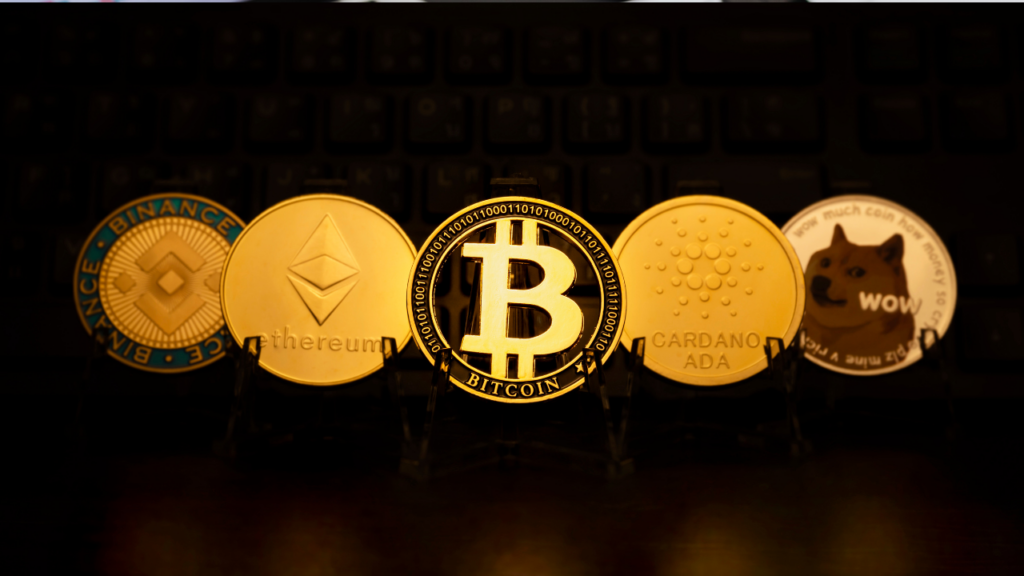
The first and most famous cryptocurrency? Bitcoin. Launched in 2009 by an anonymous figure known as Satoshi Nakamoto, Bitcoin proved that money could exist without banks or intermediaries. Since then, thousands of cryptocurrencies like Ethereum, Binance Coin, and Solana have emerged, each offering unique features.
But what makes crypto special? Three key things:
Security: Built on blockchain, making it nearly impossible to hack.
Transparency: Transactions are public and traceable.
Borderless: No banks, no restrictions just freedom to send and receive money globally.
Cryptocurrency is more than just digital cash; it’s a financial revolution giving power back to the people. But how exactly does it connect with blockchain? Let’s find out!
4. How Cryptocurrencies Use Blockchain Technology
Here’s the big question: Can cryptocurrencies exist without blockchain? The answer is a resounding NO! Every cryptocurrency runs on a blockchain, which acts as its public ledger, recording all transactions transparently.
Think of blockchain as a highway, and cryptocurrencies as the cars driving on it. Without the highway, the cars have nowhere to go! Similarly, blockchain provides the secure infrastructure that allows cryptocurrencies to move, store value, and operate without a central authority.
Every time you send Bitcoin or Ethereum, that transaction is verified by a blockchain network, ensuring that the same coin isn’t duplicated or counterfeited. Thanks to blockchain’s security and decentralization, crypto can function in a trustless environment no banks, no middlemen, just peer-to-peer transactions.
This connection between blockchain and cryptocurrency is powerful, but they are not the same thing. Up next, let’s break down their key differences once and for all.
5. Blockchain vs Crypto Key Differences Explained
Now that you understand both blockchain and cryptocurrency, let’s clear the confusion: They are NOT the same! While they are deeply connected, they serve different purposes. Here’s how:
Blockchain is the technology – a secure, decentralized ledger system that records transactions.
Cryptocurrency is a digital asset – a form of digital money that operates on blockchain.
Think of it like this: Blockchain is the internet, and cryptocurrency is an email service running on it. You can use blockchain for much more than just crypto like tracking supply chains, securing digital identities, and even powering smart contracts.
Meanwhile, cryptocurrency is just one major use case of blockchain technology. Some blockchains, like Bitcoin, exist only for crypto transactions, while others, like Ethereum, power decentralized applications (dApps) beyond just money.
Understanding this difference is key to seeing why blockchain has endless possibilities far beyond cryptocurrency alone.
6. Can Blockchain Exist Without Cryptocurrency?
Absolutely! While most people associate blockchain with Bitcoin and other cryptocurrencies, blockchain technology can exist without crypto. In fact, many industries are using blockchain without any involvement in digital currencies.
Think of blockchain as a secure, digital record-keeping system. It doesn’t need cryptocurrency to function it simply records and verifies data. Companies like IBM, Walmart, and even governments are adopting private blockchains to track goods, secure identities, and prevent fraud.
For example, supply chains use blockchain to track products from production to delivery, ensuring authenticity. In healthcare, patient records can be securely stored and accessed only by authorized personnel. Even voting systems are exploring blockchain to prevent election fraud!
However, without cryptocurrency, a blockchain might rely on a different way to validate transactions, such as permissioned access or centralized control. While crypto-powered blockchains operate in a decentralized, public way, many private blockchains remove the need for tokens entirely.
So, while cryptocurrency relies on blockchain, blockchain itself is a revolutionary technology that stands strong on its own!

7. Real-World Applications of Blockchain Beyond Crypto
If you think blockchain is only about Bitcoin, think again! This technology is already transforming industries worldwide, solving real problems with security, transparency, and efficiency. Here are some game-changing applications:
Supply Chain Management: Companies like Walmart and IBM use blockchain to track food and products, ensuring authenticity and reducing fraud.
Healthcare: Secure patient records stored on blockchain give patients control over their medical history while preventing data breaches.
Voting Systems: Some governments are testing blockchain-based voting to create fraud-proof, transparent elections.
Intellectual Property & Copyrights: Artists, writers, and musicians use blockchain to protect their creative works and receive royalties directly.
Real Estate & Land Ownership: Blockchain simplifies property transfers by securely recording land ownership, reducing fraud and paperwork.
Decentralized Finance (DeFi): Blockchain eliminates banks as middlemen, enabling direct lending, borrowing, and saving with full transparency.
The best part? We’re just getting started! As blockchain evolves, industries will continue to discover new, innovative ways to use it beyond just cryptocurrency.
8. The Future of Blockchain and Cryptocurrencies
Blockchain and cryptocurrency are reshaping the future of finance and technology, but what’s next?
Mass Adoption: More companies, banks, and governments are exploring blockchain solutions for payments, record-keeping, and supply chains. Cryptocurrencies, once seen as a niche investment, are gaining mainstream recognition.
Regulation & Stability: Governments worldwide are working on laws to regulate crypto while embracing blockchain. This could lead to safer investments and wider adoption.
Central Bank Digital Currencies (CBDCs): Countries like China and the U.S. are exploring digital versions of their national currencies powered by blockchain but controlled by governments.
Web3 & the Decentralized Internet: Blockchain is fueling Web3, a new internet era where users own their data, apps run on decentralized networks, and middlemen (like tech giants) have less control.
The Evolution of Finance: Decentralized Finance (DeFi) and Non-Fungible Tokens (NFTs) are changing how we invest, borrow, and even own digital assets.
The future is clear: Blockchain is here to stay, and cryptocurrency will keep evolving alongside it. Will you be part of the revolution?

9. Which One Matters More for Investors and Businesses?
For investors and businesses, the question isn’t blockchain vs. cryptocurrency it’s how to use them both effectively.
For Investors: Cryptocurrency offers exciting opportunities for profit, but it’s volatile. Smart investors focus on projects with strong fundamentals, like Bitcoin, Ethereum, and blockchain-based startups. Understanding blockchain helps you spot valuable crypto investments.
For Businesses: Blockchain’s ability to secure data, improve transparency, and reduce costs makes it a game-changer. Companies that integrate blockchain into their systems can streamline operations and build trust with customers.
A business doesn’t need to use cryptocurrency to benefit from blockchain. For example, banks use blockchain for fast cross-border payments, while logistics companies use it to track shipments securely.
So, which matters more? It depends on your goals. If you want to invest, understanding both is key. If you’re a business, exploring blockchain’s potential can put you ahead of the competition.
10. Final Thoughts: Why Understanding Both Is Important
By now, you should have a clear understanding of blockchain and cryptocurrency how they work, how they differ, and why they matter.
Blockchain is the technology that enables secure, transparent record-keeping, used in finance, healthcare, supply chains, and more.
Cryptocurrency is digital money that operates on blockchain, allowing for decentralized financial transactions.
Some people see blockchain as the future of secure data, while others believe crypto is the future of money. The truth? Both are shaping the digital world in powerful ways.
Understanding blockchain helps you see beyond the hype, make smarter investment choices, and even find new business opportunities. Whether you’re a curious beginner or an aspiring investor, this knowledge is your key to the future of finance and technology.

Conclusion: Embracing the Future of Blockchain & Crypto
We’ve covered a lot, and now, you truly understand the difference between Blockchain vs Crypto, Blockchain is the technology a secure, decentralized ledger that powers many industries. Cryptocurrency is digital money built on blockchain, revolutionizing finance. While they’re deeply connected, they serve different purposes.
Blockchain is transforming healthcare, supply chains, and even voting systems, proving it’s much bigger than just crypto. Meanwhile, cryptocurrencies like Bitcoin and Ethereum are reshaping how we think about money and financial freedom. The future? Mass adoption, decentralized finance, and a world that operates on trustless systems.
The question isn’t whether blockchain and crypto will change the world it’s how you’ll be part of it. Will you invest, build, or simply stay informed? The choice is yours. Are you ready to step into the future of digital innovation?