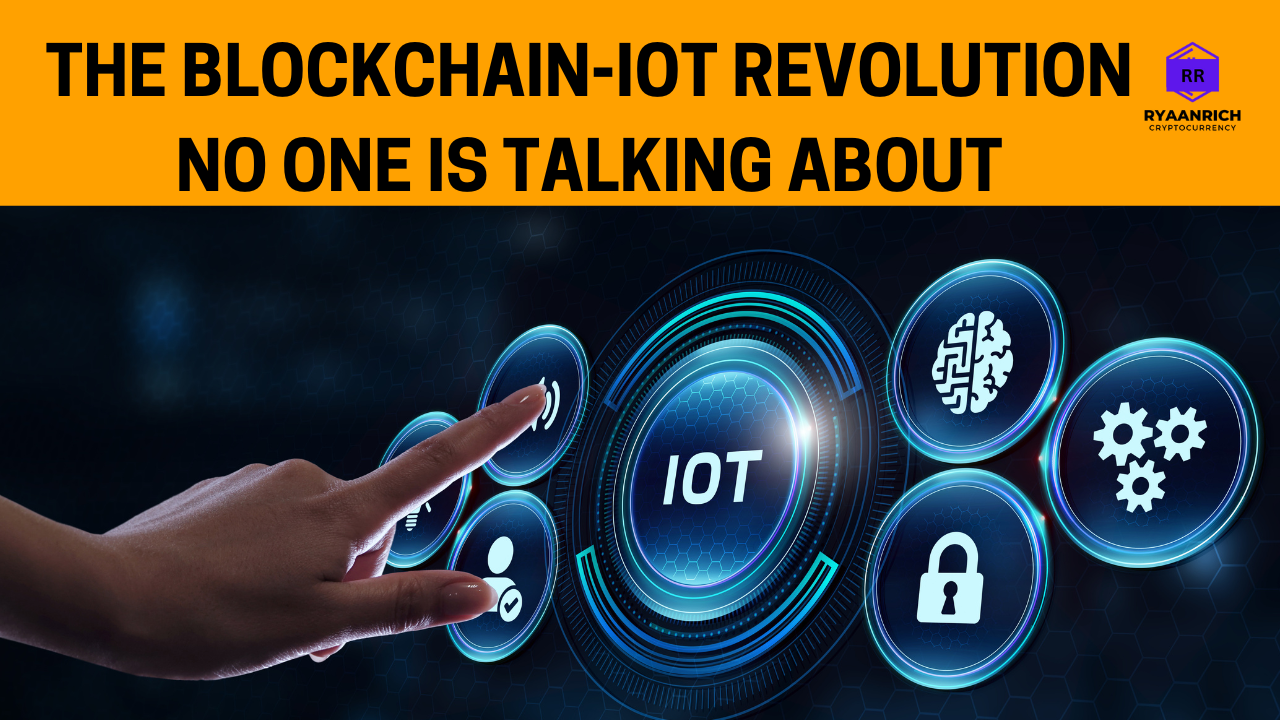
Imagine a world where your smart devices communicate seamlessly, securely, and autonomously without the risk of data breaches or centralized control. That’s the power of IoT and Blockchain a revolutionary duo shaping the future of technology. The Internet of Things (IoT) connects billions of devices, from smart homes to industrial sensors, but it faces challenges like security vulnerabilities, data silos, and inefficiencies. Enter blockchain, a decentralized ledger that ensures transparency, trust, and tamper-proof transactions. In this blog, we’ll explore how blockchain is solving IoT’s biggest challenges, from enhancing security to enabling trustless automation. We’ll dive into real-world applications, such as smart cities, supply chain management, and autonomous vehicles, showcasing how these two technologies are creating a smarter, more efficient world. Whether you’re a tech enthusiast or a business innovator, this guide will inspire you to see the future of IoT and blockchain integration in a whole new light!
Let’s dive in deeply and explain IoT and blockchain using these 5 steps guide;
Understanding IoT: The Backbone of Smart Technology
Blockchain: The Trust Layer IoT Desperately Needs
The Power Duo: How IoT and Blockchain Work Together
Real-World Applications: IoT & Blockchain in Action
The Future of IoT & Blockchain: What’s Next?
1.Understanding IoT: The Backbone of Smart Technology
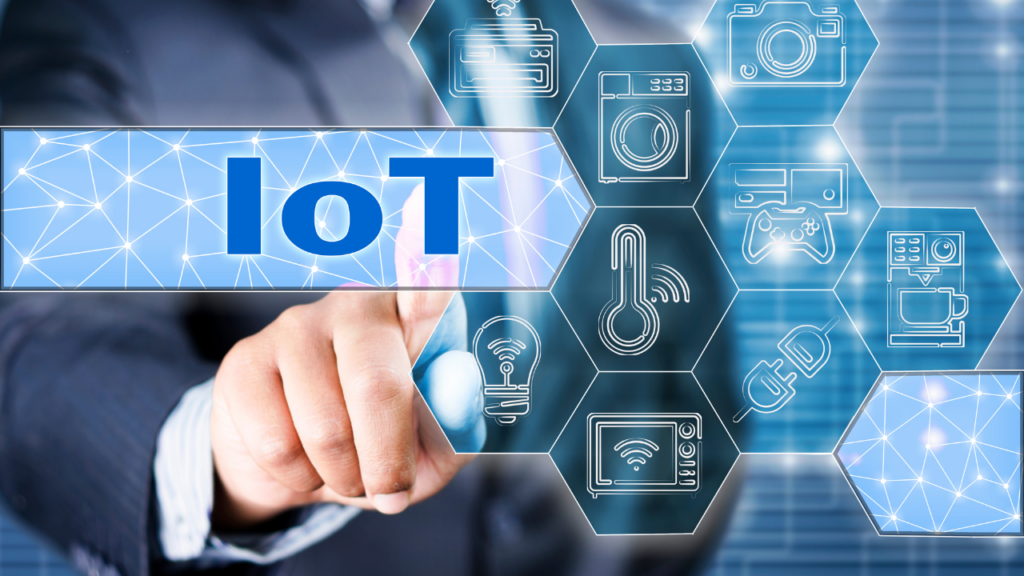
Imagine a world where your fridge reminds you to buy milk, your car schedules its own maintenance, and factories run with almost zero human intervention. That’s the magic of the Internet of Things (IoT) a vast network of connected devices that communicate and share data to make our lives more efficient. IoT is already transforming industries. In healthcare, wearable devices track real-time vitals, alerting doctors before emergencies happen. Smart cities optimize traffic flow, reduce energy consumption, and improve public safety. Even agriculture is getting a digital upgrade with sensors monitoring soil conditions to maximize crop yield. But as exciting as IoT is, it’s far from perfect. Security is a major concern hackers can exploit vulnerabilities, gaining access to personal data or even critical infrastructure. Data silos are another issue; different companies store IoT data in separate systems, making seamless communication difficult. Plus, with billions of devices online, managing and securing them all is a logistical nightmare. That’s where blockchain comes in. By decentralizing data storage and enhancing security, blockchain has the potential to solve many of IoT’s biggest problems. But how exactly does it work? And why is this combination considered a perfect match? Let’s dive deeper into blockchain’s unique capabilities and see how it can revolutionize the IoT ecosystem.
2.Blockchain: The Trust Layer IoT Desperately Needs
If IoT is the nervous system of our connected world, blockchain is the immune system, ensuring security, transparency, and trust in every interaction. At its core, blockchain is a decentralized digital ledger that records transactions immutably meaning once data is added, it can’t be altered or tampered with. But why does IoT need blockchain? Simple trust and security. Right now, most IoT networks rely on centralized cloud servers, making them easy targets for cyberattacks. Hackers can manipulate data, take control of devices, or even shut down entire networks. With blockchain, IoT devices can securely store and exchange data without relying on a single, vulnerable point of failure. Another major advantage is transparency. Since blockchain records are shared across a distributed network, every transaction is visible and verifiable. This prevents fraud, data manipulation, and unauthorized access. Imagine smart contracts automating secure payments between IoT devices like an electric car automatically paying for charging without human intervention. Additionally, blockchain improves interoperability between IoT networks. Different manufacturers and industries can use a common, secure platform to share data seamlessly, leading to smarter cities, more efficient industries, and better innovation. So, how do these two technologies actually work together? Let’s explore how blockchain supercharges IoT’s capabilities in the next section.
3.The Power Duo: How IoT and Blockchain Work Together
IoT and blockchain are like two puzzle pieces that fit perfectly one brings real-time connectivity, while the other ensures trust, security, and automation. But how exactly do they complement each other? First, blockchain enhances IoT security. Instead of storing data on centralized cloud servers, IoT devices can store encrypted data on a blockchain, making it nearly impossible for hackers to alter or manipulate. This is a game-changer for industries like healthcare and finance, where data integrity is crucial. Second, smart contracts bring automation to IoT. These self-executing contracts ensure that IoT devices follow specific rules without human intervention. Imagine a supply chain where a shipment’s location is tracked on blockchain the moment it reaches its destination; an automated payment is triggered. No delays, no fraud, just pure efficiency. Another major advantage is decentralization. With traditional IoT networks, a single point of failure like a cloud outage can bring an entire system down. But with blockchain, data is distributed across multiple nodes, ensuring that no single failure can compromise the network. Together, IoT and blockchain create a seamless, trustless environment where devices can communicate, share, and transact autonomously and securely. Now, let’s look at real-world examples where this combination is already making waves.
4.Real-World Applications: IoT and Blockchain in Action
The fusion of IoT and blockchain is not just theoretical it’s already revolutionizing industries. Here are some of the most exciting real-world applications:
Smart Cities – Cities like Dubai and Singapore are using blockchain-powered IoT to optimize traffic flow, manage waste, and reduce energy consumption. Sensors track everything from air quality to water usage, ensuring efficient resource management.
Supply Chain & Logistics – Transparency is a major issue in global trade. Blockchain ensures that IoT-tracked shipments have tamper-proof records, reducing fraud, delays, and lost goods. Walmart and IBM already use this technology to track food safety in their supply chains.
Healthcare & Patient Data Security – IoT devices like smartwatches and remote health monitors track patient vitals in real time. With blockchain, this sensitive data remains secure, encrypted, and accessible only to authorized personnel, preventing fraud and data leaks.
Energy & Smart Grids – Decentralized energy trading is becoming a reality! IoT-connected solar panels can automatically sell excess energy to the grid, with blockchain ensuring transparent, tamper-proof transactions.
Autonomous Vehicles – Self-driving cars rely on real-time data for navigation and safety. Blockchain ensures secure, immutable records of vehicle performance, ownership, and accident history critical for insurance and safety regulations.
These are just a few examples of how blockchain and IoT are reshaping our world. But what does the future hold for this powerful duo? Let’s explore what’s next.
5.The Future of IoT and Blockchain: What’s Next?
The IoT and blockchain revolution is still in its early stages, but the possibilities are limitless. As more industries embrace these technologies, here are some exciting trends to watch:
AI-Driven IoT & Blockchain Integration – The combination of Artificial Intelligence (AI), IoT, and blockchain will lead to fully autonomous systems capable of making real-time decisions without human input. Imagine an AI-powered smart home that optimizes energy usage and pays bills automatically!
Global IoT Standardization – Right now, different companies use different IoT frameworks, making interoperability difficult. Blockchain could serve as a universal, secure communication layer, enabling seamless data exchange across industries.
Enhanced Privacy & Security Regulations – As governments recognize the power of blockchain in securing IoT, we’ll see stronger regulations and adoption in sectors like healthcare, finance, and public infrastructure.
Decentralized IoT Networks – Instead of relying on centralized cloud providers, future IoT devices may operate on decentralized blockchain networks, reducing costs and eliminating single points of failure.
The future is bright for IoT and blockchain, but businesses and developers must embrace innovation, overcome technical challenges, and invest in scalable solutions. As these two technologies continue to evolve, one thing is certain they’re shaping a smarter, more secure, and more efficient world.
Conclusion: The Future is Now—Are You Ready?
The Internet of Things (IoT) and Blockchain are truly the perfect pair, working together to create a smarter, more secure, and efficient world. IoT connects billions of devices, automating tasks and improving industries, but it struggles with security, data silos, and trust issues. That’s where blockchain steps in bringing decentralization, transparency, and automation to IoT networks. Together, they are revolutionizing smart cities, supply chains, healthcare, and even energy systems. From secure patient data sharing to self-executing smart contracts, this duo is laying the foundation for a future where devices communicate and transact without human interference. But we’re only at the beginning. As AI, decentralization, and global IoT standards evolve, the potential is limitless. Will you embrace this transformation and be part of the future, or will you watch from the sidelines? The choice is yours!