The world of technology is evolving faster than ever, and at the forefront of this revolution are two groundbreaking innovations: quantum computing and blockchain. Quantum computing promises unparalleled computational power, capable of solving problems that were once deemed impossible. On the other hand, blockchain has redefined trust, transparency, and decentralization, becoming the backbone of cryptocurrencies and much more. But what happens when these two titans meet?
This blog explores the potential collision and collaboration of these technologies. We’ll dive into how quantum computing could challenge blockchain’s security, the rise of quantum-resistant cryptography, and whether these advancements might complement each other in ways we’ve yet to imagine. From securing financial systems to optimizing industries, this debate is shaping the future of technology. Ready to explore how these innovations could transform our world?
Let’s embark on this journey into the exciting crossroads of quantum computing and blockchain and explore it deeply under these 9 sections listed below;
- The Collision of Two Revolutionary Technologies
- What is Quantum Computing? A Breakthrough in Problem-Solving
- Blockchain Technology: The Backbone of Decentralization
- How Quantum Computing Challenges Blockchain Security
- Quantum-Resistant Cryptography: The Blockchain’s Defense Strategy
- Potential Synergies: Can Quantum Computing Enhance Blockchain?
- Real-World Applications: Industries at the Crossroads of Quantum and Blockchain
- Future Implications: Opportunities and Risks for Both Technologies
- Conclusion: Revolution or Coexistence in the Tech Landscape?
1.The Collision of Two Revolutionary Technologies
The world of technology has reached a fascinating crossroads where two revolutionary forces quantum computing and blockchain stand poised to redefine the future. Quantum computing, a marvel of modern science, boasts the ability to solve complex problems at speeds previously unimaginable. Blockchain, on the other hand, has transformed how we approach trust and transparency, becoming the foundation for cryptocurrencies, smart contracts, and decentralized systems. These two technologies may seem worlds apart, yet their potential to interact raises compelling questions.
What happens when quantum computing’s power clashes with blockchain’s immutable security? Could this be a threat, or an opportunity for collaboration that paves the way for unprecedented innovation? We’ll unravel the essence of quantum computing, demystify blockchain, and explore the intersection where their paths converge. From addressing potential vulnerabilities in blockchain security to envisioning synergies between these technologies, we’ll cover it all. Whether you’re a tech enthusiast, a curious learner, or someone wondering how these innovations could shape industries and economies, we will provide clarity and inspiration.
2. What is Quantum Computing? A Breakthrough in Problem-Solving
Quantum computing isn’t just an incremental improvement in computational power it’s a leap into an entirely new paradigm. Unlike classical computers, which process data in binary (ones and zeroes), quantum computers utilize quantum bits or qubits. These qubits can exist in multiple states simultaneously, thanks to a phenomenon called superposition. This capability enables quantum computers to perform multiple calculations at once, solving problems exponentially faster than traditional systems.
But what does this mean in practice? Imagine a maze with countless paths leading to an exit. A classical computer would systematically explore each path one by one. A quantum computer, however, could evaluate all possible paths simultaneously and identify the shortest route in seconds. This kind of computational prowess has implications for fields like medicine, where quantum simulations could accelerate drug discovery, and logistics, where it could optimize supply chains with mind-boggling efficiency.
Yet, with great power comes great responsibility. Quantum computing’s capabilities extend to breaking encryption algorithms that secure today’s digital world. This dual-edged sword poses both incredible opportunities and serious challenges, particularly in areas like blockchain, where cryptographic security is paramount. As we explore this technology further, its role in shaping the future becomes increasingly clear and awe-inspiring.
3. Blockchain Technology: The Backbone of Decentralization
Blockchain is more than just the technology behind cryptocurrencies like Bitcoin and Ethereum; it’s a transformative way to think about trust and transparency. At its core, blockchain is a distributed ledger system that records transactions in a decentralized, immutable, and transparent manner. Instead of relying on a central authority, blockchain’s security is maintained by consensus across a network of nodes, making it nearly impossible to alter or hack.
What makes blockchain revolutionary is its ability to create trust in a trustless environment. Whether it’s enabling peer-to-peer financial transactions, streamlining supply chain operations, or securing digital identities, blockchain’s applications are vast and varied. Imagine a world where remittances happen instantly with minimal fees, or where the authenticity of a product can be verified with a simple scan. Blockchain makes this possible.
However, its reliance on cryptographic algorithms raises a critical question: what happens when these algorithms are exposed to quantum computing’s immense power? The very features that make blockchain secure today could become its Achilles’ heel in a quantum-powered future. Understanding blockchain’s foundation is key to addressing these challenges and to imagining how it might evolve in the face of quantum disruption.
4. How Quantum Computing Challenges Blockchain Security
Blockchain’s security is built on cryptography, which ensures the integrity and confidentiality of data. Most modern blockchains use algorithms like RSA or ECC (Elliptic Curve Cryptography) to secure transactions and verify identities. These cryptographic methods rely on the difficulty of solving certain mathematical problems that are incredibly time-consuming for classical computers.
Enter quantum computing, a game-changer that could shatter this security framework. Quantum computers excel at solving complex mathematical problems, including those that underpin current cryptographic systems. For example, Shor’s algorithm, a quantum algorithm, can factorize large numbers exponentially faster than classical methods. This capability makes quantum computers a potential threat to blockchain networks, as they could theoretically break private keys and forge digital signatures.
The implications are profound. If a quantum computer could compromise blockchain’s security, it could alter transactions, steal funds, or disrupt the integrity of the entire system. This isn’t just a distant threat; as quantum computing advances, the timeline for these risks narrows. The challenge, then, is to develop quantum-resistant cryptography that can safeguard blockchain technology in a quantum-powered world. The race to secure the future has already begun.
5. Quantum-Resistant Cryptography: The Blockchain’s Defense Strategy
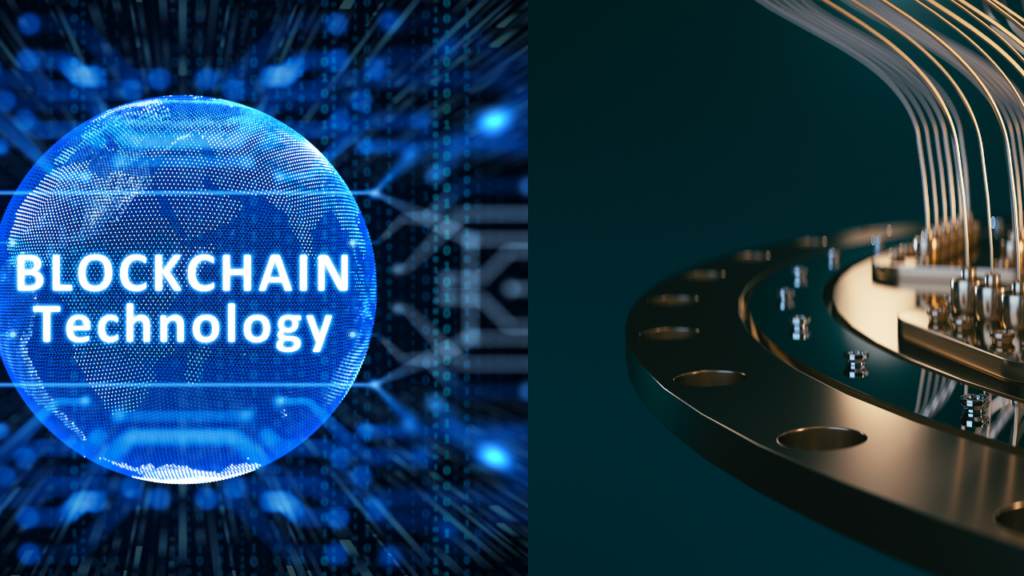
As quantum computing advances, the need for quantum-resistant cryptography becomes urgent. Quantum-resistant cryptography, also known as post-quantum cryptography, involves developing algorithms that can withstand attacks from quantum computers. These algorithms aim to maintain the security of digital systems, including blockchain networks, even in a post-quantum era.
One promising approach is lattice-based cryptography, which leverages the complexity of solving lattice problems. Unlike current cryptographic methods, lattice-based systems are believed to be resistant to quantum attacks. Another method involves hash-based cryptography, which uses secure hash functions that remain robust against quantum capabilities.
Integrating quantum-resistant algorithms into blockchain systems is no small feat. It requires updating existing protocols, ensuring backward compatibility, and maintaining decentralized consensus. Despite these challenges, blockchain developers and researchers are already working on solutions. The National Institute of Standards and Technology (NIST) is leading efforts to standardize post-quantum cryptographic algorithms.
By embracing quantum-resistant cryptography, blockchain can prepare for a secure future. While the transition may take time, it’s a crucial step to ensure that blockchain remains a reliable and trustworthy technology in the face of quantum computing’s rise.
6. Potential Synergies: Can Quantum Computing Enhance Blockchain?
While much of the discussion focuses on quantum computing as a threat to blockchain, it’s worth exploring how these technologies might complement each other. Could quantum computing enhance blockchain rather than disrupt it? The answer lies in their potential synergies.
Quantum computing’s unparalleled processing power could optimize blockchain operations in ways classical computers cannot. For instance, quantum algorithms could improve consensus mechanisms, making them faster and more energy-efficient. This could address one of blockchain’s key challenges: scalability. Imagine a blockchain network that processes thousands of transactions per second without compromising security or decentralization.
Quantum technology could also revolutionize encryption methods, creating even more robust security measures for blockchain. Quantum key distribution (QKD), for example, uses the principles of quantum mechanics to enable ultra-secure communication. Integrating QKD into blockchain systems could safeguard data against both classical and quantum attacks.
By leveraging quantum computing’s strengths, blockchain could evolve into a more powerful and versatile technology. Collaboration, rather than conflict, may hold the key to unlocking their combined potential.
7. Real-World Applications: Industries at the Crossroads of Quantum and Blockchain
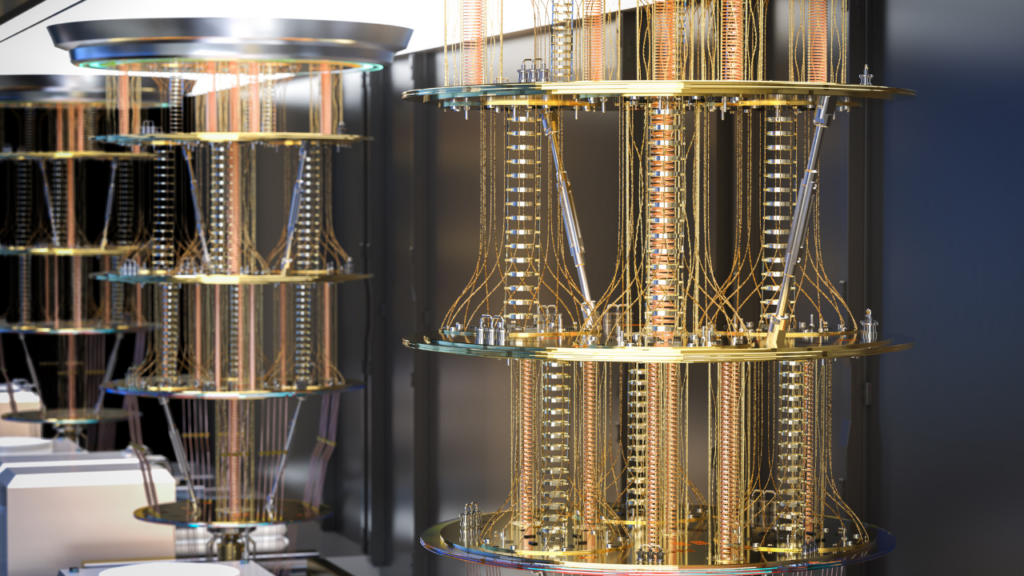
The intersection of quantum computing and blockchain has the potential to revolutionize various industries, opening doors to applications previously deemed impossible. Let’s explore some sectors where these technologies could create transformative impacts.
In finance, blockchain is already enabling secure and transparent transactions. Quantum computing could further enhance these capabilities by optimizing complex trading algorithms and risk analysis. The result? More efficient markets and smarter investment strategies.
In healthcare, blockchain ensures the secure storage and sharing of patient data, while quantum computing accelerates drug discovery and genomics research. Together, they could drive breakthroughs in personalized medicine and medical innovation.
Supply chain management is another area ripe for transformation. Blockchain provides transparency and traceability, while quantum computing optimizes logistics and resource allocation. Imagine a seamless global supply chain powered by these combined technologies.
From energy to artificial intelligence, the possibilities are endless. As quantum and blockchain technologies continue to evolve, their integration could redefine how industries operate, paving the way for a smarter, more interconnected world.
8. Future Implications: Opportunities and Risks for Both Technologies
The convergence of quantum computing and blockchain presents both exciting opportunities and daunting risks. On one hand, quantum computing could push blockchain to new heights, enhancing its efficiency, scalability, and security. On the other hand, it poses existential challenges to blockchain’s current cryptographic foundations.
Opportunities abound in areas like quantum-resistant cryptography, which could make blockchain more resilient than ever. Moreover, quantum algorithms could unlock new use cases, from real-time fraud detection to advanced data analytics within decentralized networks.
Yet, the risks are significant. If blockchain systems fail to adapt to quantum threats, they could face catastrophic breaches. The pace of quantum development necessitates urgent action from the blockchain community to future-proof their technologies.
Striking a balance between leveraging quantum computing’s potential and mitigating its risks will define the trajectory of both technologies. Collaboration among researchers, developers, and policymakers will be essential to ensure a secure and innovative future.

9. Conclusion: Revolution or Coexistence in the Tech Landscape?
Quantum computing and blockchain are not just technologies they are symbols of human ingenuity and progress. While their paths may appear to collide, they also hold the potential for coexistence and collaboration. The future of these innovations depends on how we navigate the challenges and opportunities they present.
Blockchain, with its promise of decentralization and transparency, must evolve to withstand the quantum leap. At the same time, quantum computing’s immense power can be harnessed to strengthen and expand blockchain’s capabilities. Together, they could revolutionize industries, reshape economies, and redefine the boundaries of what’s possible.
As we stand at this technological crossroads, one thing is certain: the journey ahead will be as challenging as it is exciting. By embracing innovation, collaboration, and resilience, we can ensure that quantum computing and blockchain not only coexist but thrive together, paving the way for a brighter, more interconnected future.